Unleash Your Creativity: Transform Ordinary Moments into Extraordinary Resin Art!
“The Ultimate Guide to Types of Epoxy Resin Pigments: Color Your Creations”
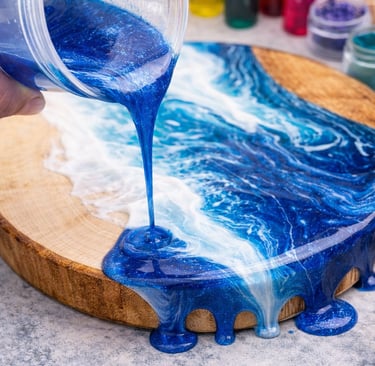
Discover the vibrant world of epoxy resin pigments! From shimmering mica powders to bold pigment pastes, transparent liquid dyes, and fun alcohol inks, each type of pigment offers unique effects and possibilities for your resin projects. In this guide, we break down the characteristics, best uses, and tips for beginners to help you choose the perfect pigment for stunning, colorful resin art. Whether you’re making coasters, trays, or abstract art, learn how to bring your creations to life with the right pigments and techniques.
2/4/20262 min read
🎨 Types of Epoxy Resin Pigments (Know Before You Mix)
Each pigment behaves differently—use the right one for the look you want:
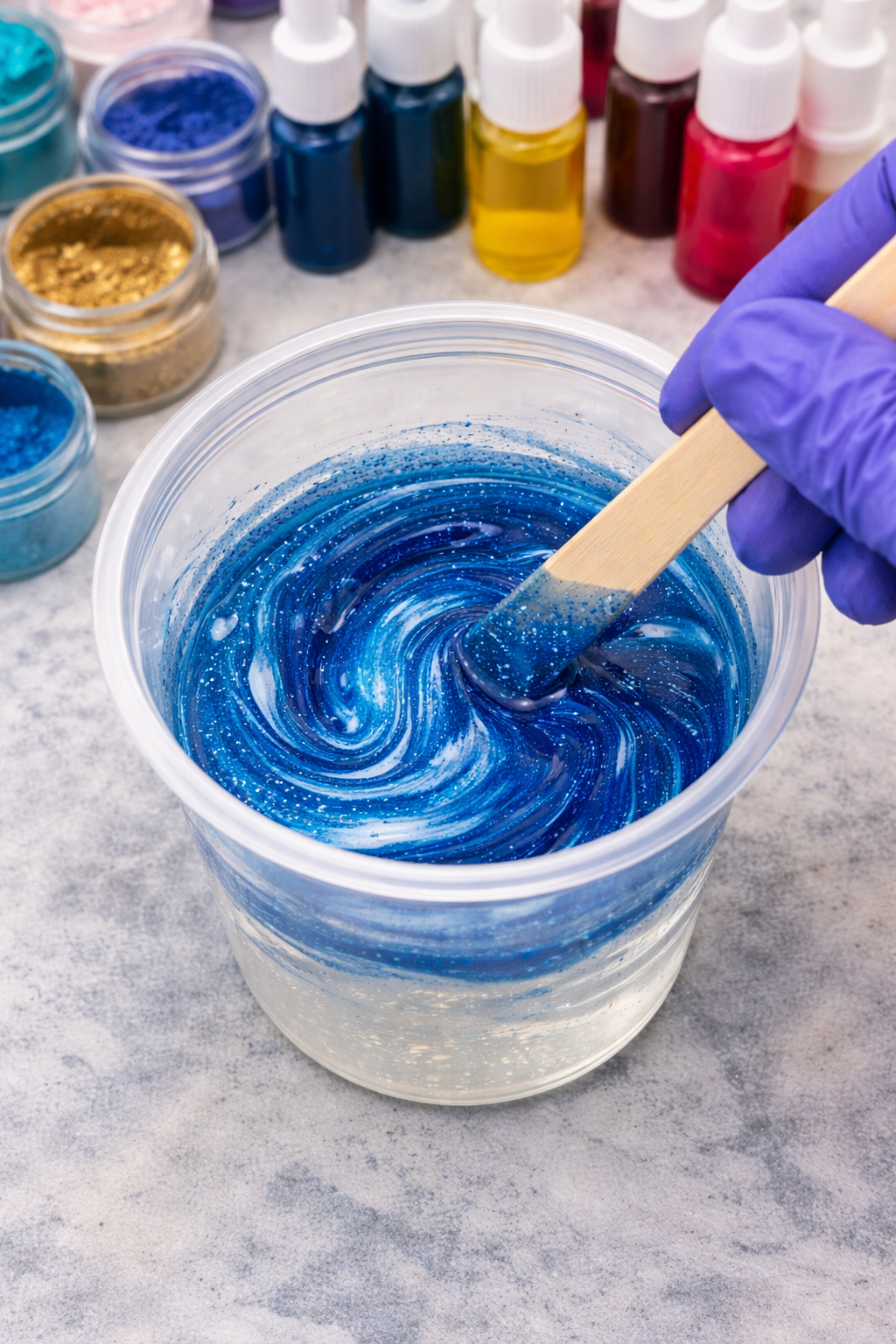
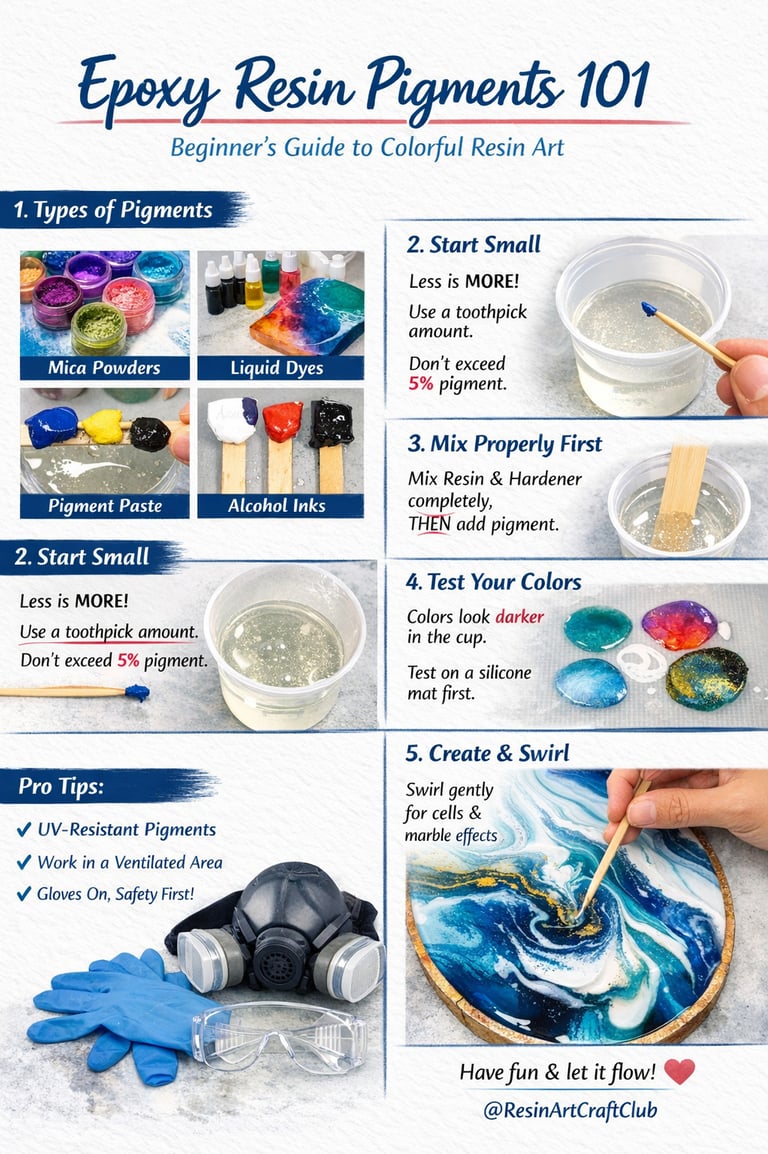
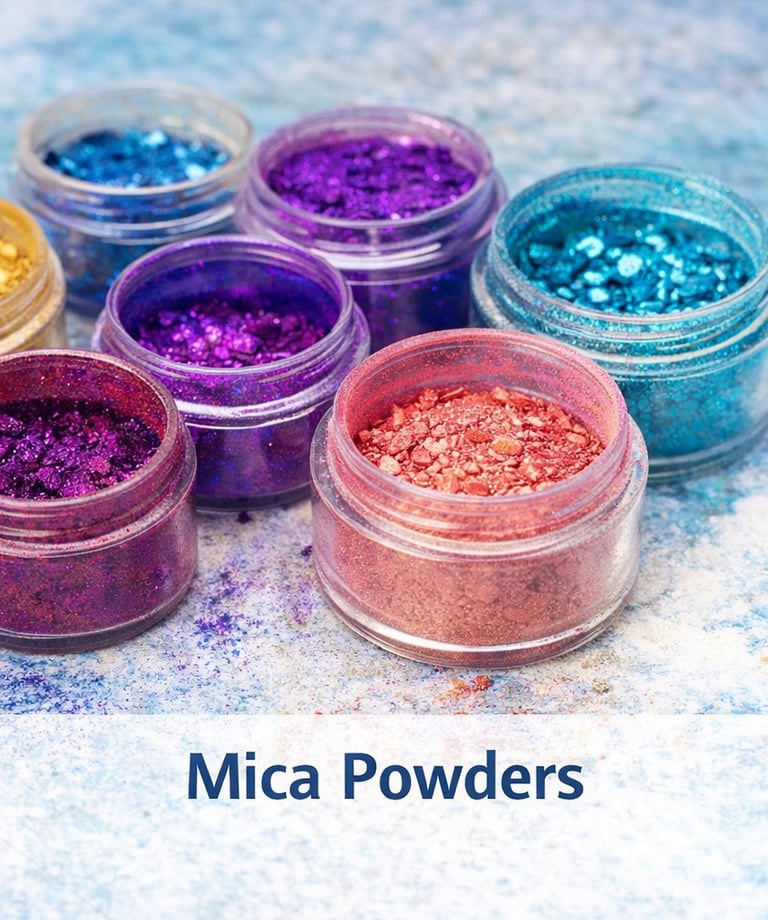
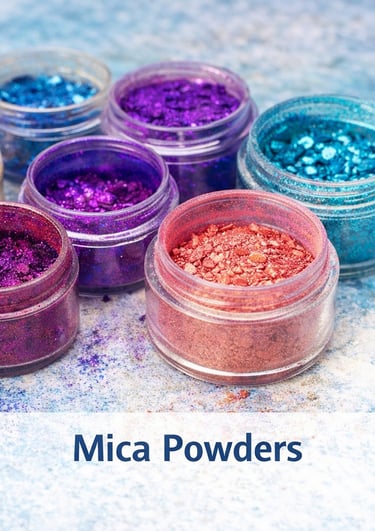
Mica Powders – Shimmery, metallic, pearlescent (great for swirls & depth)
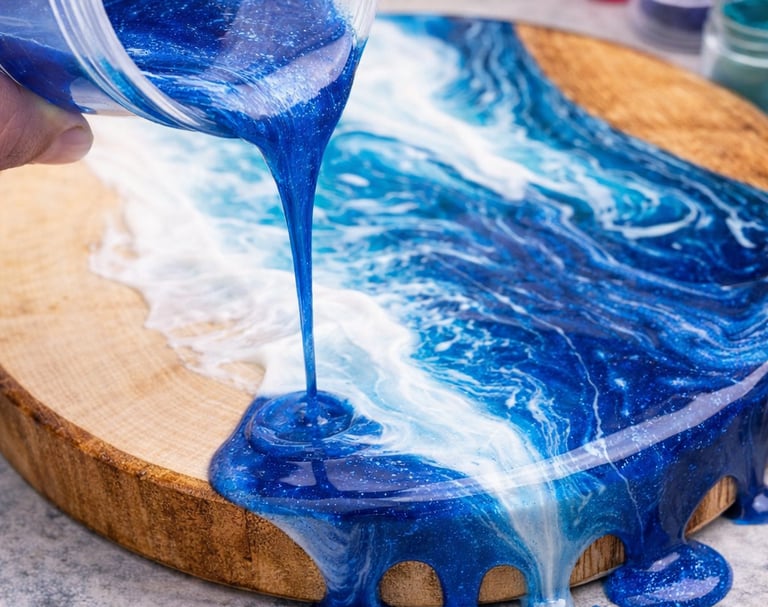
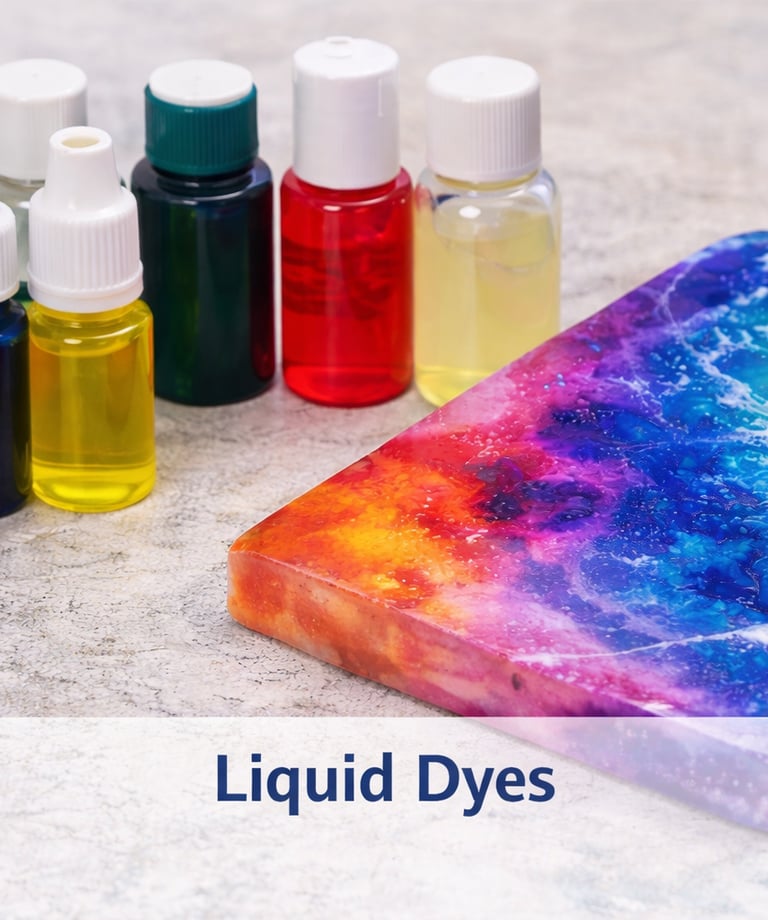
Liquid Resin Dyes – Transparent, vibrant color (great for ocean art, geodes)
Pigment Pastes – Highly concentrated, opaque, professional finish
Alcohol Inks – Best for petri effects (use sparingly; not always UV stable)
Glow / Neon Pigments – Fun accents; need proper ratios to stay bright
⚖️ Pigment-to-Resin Ratio
Golden rule:
👉 Never exceed 5–6% pigment by volume
Start small (a toothpick dip goes a long way)
Too much pigment = soft cure, tacky surface, or curing failure
Paste pigments need less than powders or liquids
💡 Tip: If you want deeper color, layer pours instead of adding more pigment.
🌀 When to Add Pigment
Mix resin & hardener completely first (2–3 minutes)
Scrape sides and bottom
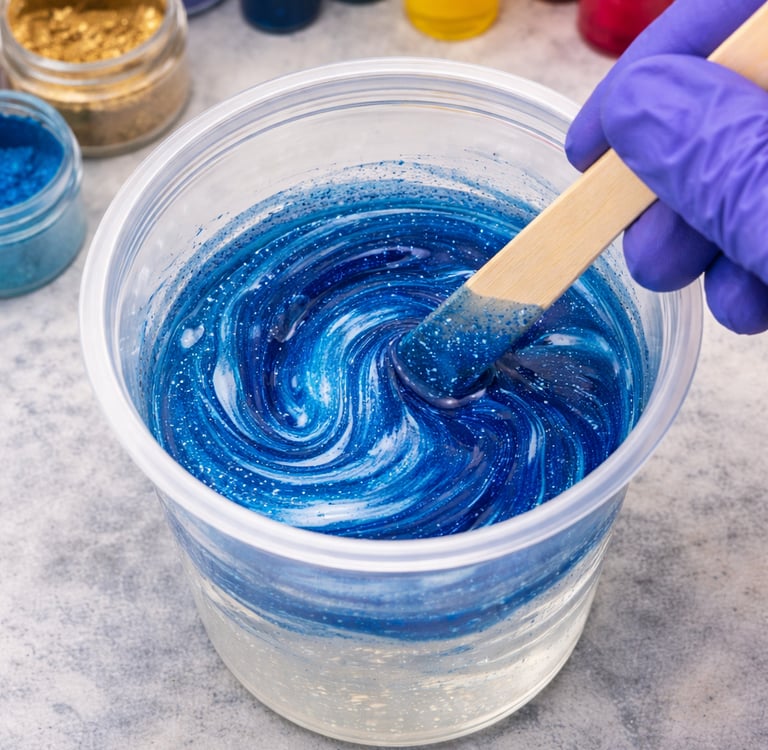
THEN add pigment
Mix gently to avoid bubbles
Never add pigment before the resin is properly mixed—this causes uneven curing.
🎭 Color Control Tips
Mix pigment into a small portion of resin first, then blend into the full batch
Test colors on a silicone mat or scrap mold
Remember: resin looks darker in the cup than when cured
Whites and pastels may need opaque pigment paste, not mica alone
🌊 Creating Effects (Without Overworking)
Swirls: Add pigment, lightly fold—don’t overmix
Cells: Combine pigment + heat (torch or heat gun)
Marble look: Pour multiple colors separately, then gently drag a stick
Transparent layers: Use liquid dyes instead of mica
Less stirring = more magic ✨
☀️ UV & Longevity Best Practices
Use UV-resistant pigments whenever possible
Add a UV-resistant topcoat for outdoor or bright-light pieces
Some alcohol inks fade—test before selling or gifting
🛑 Common Mistakes to Avoid
❌ Over-pigmenting
❌ Using water-based paints
❌ Skipping test swatches
❌ Mixing pigment into unmixed resin
❌ Rushing cure time
🧤 Safety First (Always)
Wear gloves and a respirator when handling pigments
Avoid inhaling mica or powder pigments
Work in a well-ventilated area
Clean spills immediately
Phone
Thecraftroom@resinart.blog
© 2025. All rights reserved.